
Unraveling the Slot Machine
Slot machines, often the most vibrant and energetic fixtures in casinos, are designed not just for play but to captivate the senses. Delving deeper, one finds a combination of marketing genius, psychological subtleties, and intricate design geared towards ensuring players remain engaged and entertained.
Slot machines are built on a foundation of player psychology. Every sound, light, and imagery is calculated to offer maximum engagement and encourage prolonged play.
Use of pop culture in slot machines
Incorporating pop culture themes is a strategic way to attract attention. Themes based on popular films, television series, music, or celebrities give players a familiar visual setting and can evoke recognition or nostalgia. This familiarity may make a game easier to understand and more appealing at first glance, although it does not affect the mathematical odds, return to player, or likelihood of winning.
Curved lines
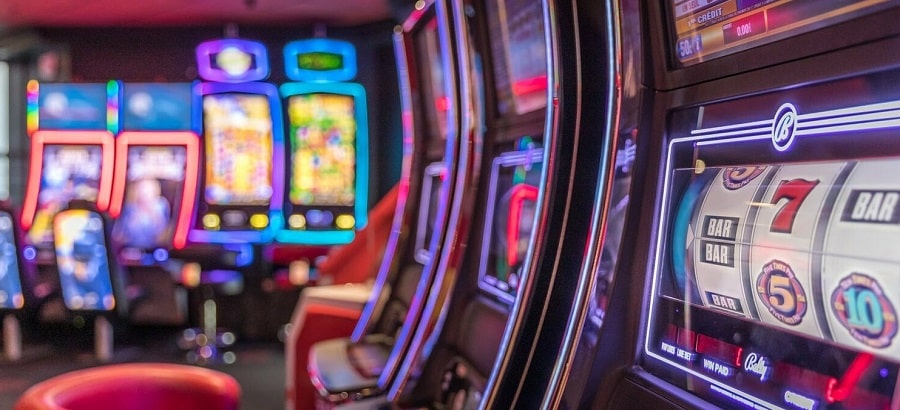
The design of a slot machine is rarely angular. Curved lines and softer designs are more inviting and comforting. These rounded features, whether on the machine’s physical body or within its digital interface, subconsciously signal friendliness and approachability, drawing players in.
Smaller but more frequent wins
Slot machines are often designed to produce smaller wins at relatively frequent intervals. This pattern can create a steady sense of activity and reinforce the impression that each new spin may lead to a better result, even when the total amount returned remains lower than the amount wagered. Modern machines may also use celebratory sounds, flashing animations, or so-called “losses disguised as wins”, where the payout is smaller than the original stake but is still presented as a positive event. These features can make the game feel more rewarding than the actual financial outcome suggests. For this reason, players should evaluate their results by looking at their overall balance rather than the number of individual wins. In standard RNG-based slots, each spin is determined independently, so a series of small payouts does not mean that a larger win is becoming more likely.
Psychological principles
- Loss Aversion: Humans inherently dislike losing. Slot machines capitalize on this by highlighting near-misses, making players feel they were close to a big win, encouraging another spin.
- The Zeigarnik Effect: Unfinished tasks remain in our minds more than completed ones. By ensuring games have levels, bonuses, or narratives, slot machines create a sense of an ‘unfinished story,’ encouraging players to keep going.
- Random Reward Schedule: Slot machines operate on a principle where rewards (wins) are given at unpredictable intervals. This randomness is known to be the most addictive form of reward distribution, keeping players hooked.
Bonuses and emotions
Bonuses, whether expected or surprise, play on our love for free things and the thrill of the unexpected. Free spins or bonus rounds excite players, providing a sense of receiving something extra, and enhance the emotional experience. When players are emotionally involved, they’re more likely to play longer and return for more.
Conclusion
Slot machines may appear simple, but their design combines mathematics, visual communication, sound, interface design, and behavioural psychology. Colours, animations, pacing, and reward cues are arranged to make gameplay easy to follow and emotionally engaging. Understanding how these elements work can help players interpret the experience more critically, distinguish visual presentation from actual probabilities, and make better-informed decisions about their time and spending. It also reveals the considerable design work behind a machine that, on the surface, may require only a single press of the spin button.